



 4 Min
4 Min In Practice

Follow this topic

Bookmark

Record learning outcomes
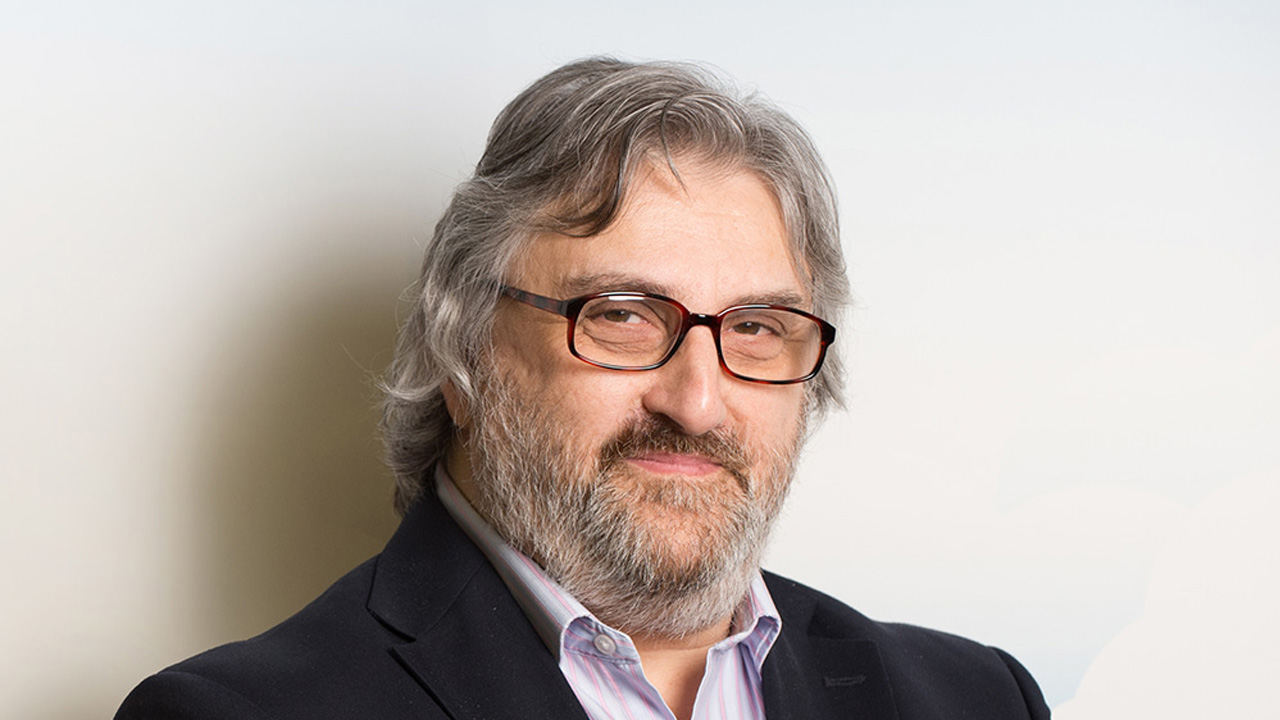
Pharmacist Norman Niven is chief executive and founder of The Medication Support Company. He has spent years trying to solve one of healthcare’s most persistent and costly problems: medicinesnon-adherence.
“The issue isn’t that people not taking their medicines wastes money, as the medicines are paid for either way,” he says.
“The real cost comes when poor adherence leads to poor health outcomes because when patients don’t take their prescribed treatments correctly, the consequences ripple through the entire healthcare system.
“Avoidable hospital admissions, increased reliance on social care and worsening long-term conditions all add up to a significant and unnecessary burden on NHS services.”
Of particular concern is what Niven calls deliberate non-adherence – when patients actively choose not to take their medicines.
“That’s the biggest challenge,” he says, “because it is not just about forgetfulness. These are people making a conscious decision not to take something that could prevent their condition from deteriorating.”
The right tools
While community pharmacy has long been aware of this issue, Niven believes that until now, it hasn’t had the right tools – or the time – to intervene effectively. This is where he believes his digital PAMAN (Patient Medication Administration and Monitoring) service can help.
Initially commissioned by Liverpool City Council in 2018, PAMAN was created by Niven as a cost-effective way to support people who struggle to manage their medicines safely at home, particularly after hospital discharge.
Using a remote audio-visual system called Medihub, PAMAN allows trained pharmacy technicians to observe patients taking their medicines in real time, offering advice, intervention and reassurance, as needed.
What began as a local authority-funded service for around 2,500 patients in Liverpool, Knowsley, Warrington, Wirral and Leighton Hospital is now set to reach more people who need help taking medicines as it launches as a paid-for service accessed via initial referrals through community pharmacies.
Matt Harvey from Green Lane Pharmacy in Liverpool will be the first community pharmacist to make PAMAN more widely available to those who need it, referring people who have a complex medication regimen or special needs into the service. For this, he will receive £50 per month per patient for as long as they use PAMAN.
The cost to the patient is £11.74 per day, which Niven says is around 20 per cent of the cost of a carer managing medicines for them.
Rigorous training
The service is staffed by pharmacy technicians who work from home after undertaking more than 30 hours of training.
The training includes modules such as safeguarding, time critical medicines, managing patients with mental health issues, working with community pharmacies to help reduce the need for compliance blister packs, managing patient discharge from hospital using the PAMAN discharge service, and responding to patient medication issues by liaising with community pharmacies and GP practices.
According to Niven, only one in 10 applicants are accepted for the training. “This ensures that pharmacy technicians not only meet regulatory standards but also have the right personality and empathy to engage with patients, many of whom are elderly and vulnerable, because quality is key in providing the service,” he explains.
“The biggest myth is that older people can’t adapt to the technology”
Patient understanding
From the patient’s point of view, contrary to what some might expect, Niven says they find the PAMAN devices very easy to use.
“The biggest myth is that older people can’t adapt to the technology,” he says, “but that is completely wrong – they are brilliant. The Medihub device is pre-programmed and kept very simple to operate, and even those in their 90s, when shown how to use it, get the hang of it quickly."
"The only thing the patients are required to do when the pharmacy technician calls is press a green button on the tablet screen which answers the call and opens the screen to visual contact. Then, at the end of the call, they press a red button on the screen, which closes the interaction.”
Long-overdue solution
For most users, Niven says: “The process becomes part of their daily routine and gives them confidence, reassurance and a renewed sense of independence.” So why has it taken so long for community pharmacy to get involved in addressing medicines non-adherence?
Niven believes one of the main reasons is simply lack of time. “Pharmacists are under enormous pressure,” he says.
“They’re dispensing, checking prescriptions, delivering services and they just don’t have the capacity to follow up with patients regularly on whether they’re actually taking their medicines. This is where PAMAN is designed to help because it removes that time barrier.
“It is pharmacy-only, pharmacist-led, but delivered through trained pharmacy technicians who can monitor and support patients remotely. That way, the pharmacist is still clinically involved, but the delivery doesn’t fall on their shoulders day to day.”
By creating a service that works in tandem with community pharmacy rather than adding to its workload, Niven believes PAMAN offers a long-overdue solution.
“It allows us to do what pharmacy has always wanted to do in this space – to provide real, ongoing adherence support, without asking pharmacists to stretch themselves even further than they already are.”
Explaining his decision to get involved with referring patients to the PAMAN service, Harvey says: “We get a lot of requests for blister packs in the pharmacy, along with other reasonable adjustments. In very few cases do we feel a blister pack would actually help the patient, but we can see the benefit to our patients in using PAMAN to help improve adherence.”
Expansion plans
The next stage for PAMAN is national expansion, building on the service’s success in the North West of England.
“We have proven the model works,” says Niven. “Now it is about scaling up and making PAMAN available to more pharmacies and more patients across the country. The technology is ready, the training framework is in place, and the need is absolutely there. Our goal is to make PAMAN a widely used, pharmacy-led service that supports people to stay well at home, and does so cost-effectively. That’s a win for the NHS, for patients and for pharmacy.”
- For more details about the service, visit medicationsupport.co.uk

Share:


In Practice
We know you want to continue to build on your practice, why not hear from others in the sector striving to do the same.